
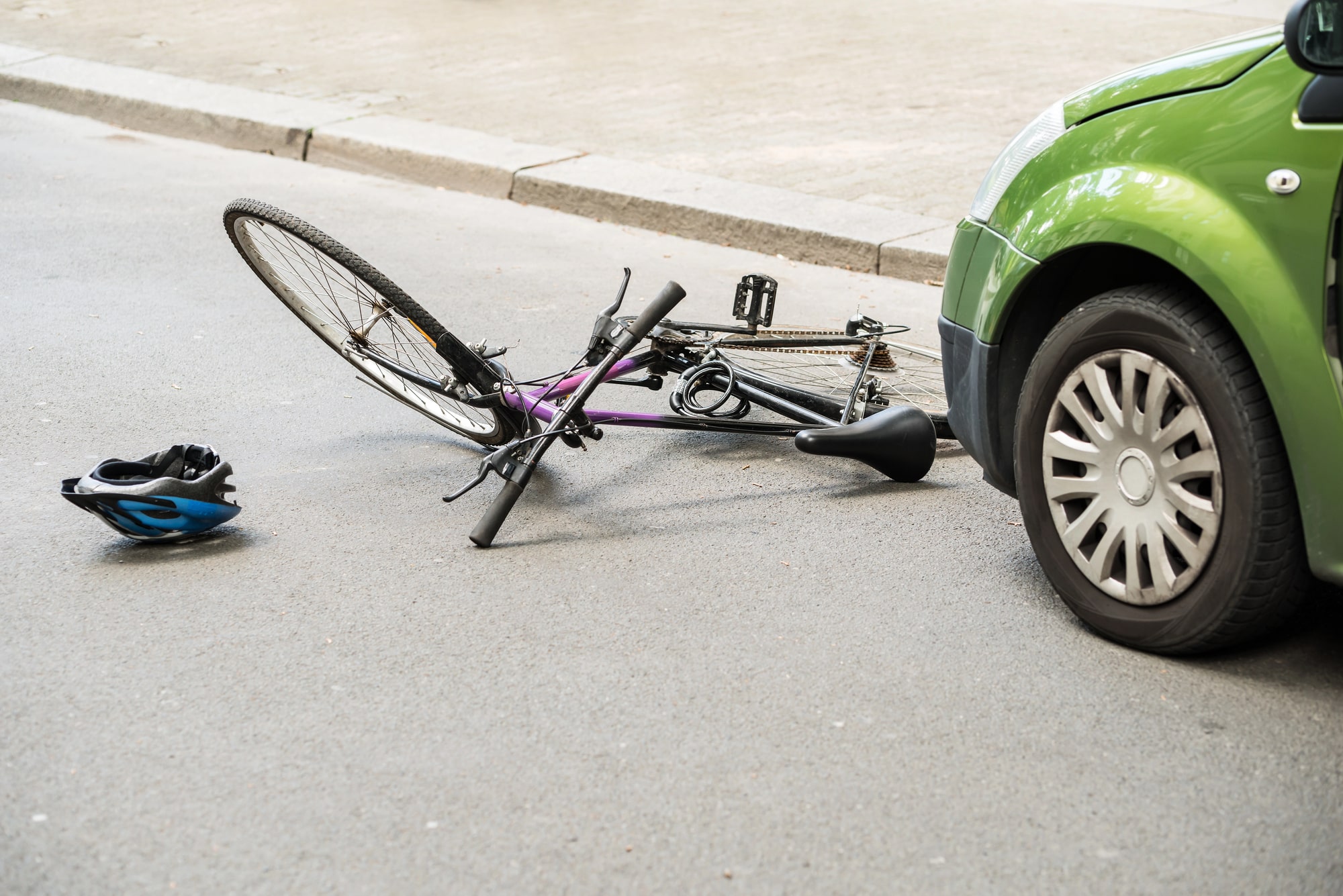
Drivers in Arizona must keep at least three feet between their vehicle and any bicycle they're passing. That's the law. It exists because cyclists are vulnerable, and even a minor collision at speed can be devastating.
What The Law Actually Says
Arizona Revised Statute 28-735 is pretty straightforward. When you're overtaking a bicycle, you need to leave a safe distance. Three feet minimum. Now, sometimes that's not possible. Narrow roads exist. The law accounts for this by requiring drivers to slow down to a reasonable speed and only pass when it's actually safe. You can't just squeeze by because you're in a hurry or the road is tight. If you can't maintain that three-foot buffer, you wait.
Common Violations And How They Happen
People break this law constantly. Sometimes they don't know it exists. Other times, they just don't care. Here's what we see most often:
- Passing way too close on narrow residential streets instead of waiting
- Squeezing past cyclists when there's an open lane right next to them
- Misjudging the distance while texting or being distracted
- Refusing to slow down or move over out of impatience
- Passing aggressively because they think cyclists don't belong on the road
That last one is particularly dangerous. Some drivers genuinely harbor hostility toward people on bikes. They'll pass inches away to intimidate or "send a message." It's reckless, it's illegal, and when things go wrong, people get seriously hurt.
Injuries From Three-Foot Rule Violations
When a car passes too closely, it doesn't take much contact to throw a cyclist completely off balance. We're talking about a 4,000-pound vehicle versus a person on a 20-pound bike. The injuries range widely. Sometimes it's road rash and bruises. Other times it's traumatic brain injuries, spinal cord damage, shattered bones, or road rash so severe it requires skin grafts. Cyclists don't have airbags or crumple zones. They have skin and bone. A Phoenix bicycle accident lawyer can investigate whether a three-foot rule violation played a role in your crash. Drivers almost always claim they gave enough space. But witness accounts, road position analysis, and damage patterns often prove otherwise.
Proving A Three-Foot Law Violation
Building a case around this violation requires solid evidence. Witness testimony helps tremendously. If another driver, pedestrian, or cyclist saw the pass, their account of how close that vehicle came matters. A video is even better. Dashcams, security footage, helmet cameras. These don't lie about distance. Physical evidence counts too. Where did the debris land? What do the skid marks show? Where did the cyclist end up after the impact? All of this reconstructs what actually happened. Police reports sometimes note the violation, especially if the officer arrived quickly and talked to witnesses. Even without a citation, though, you can still pursue a civil claim based on the driver breaking this safety law.
What This Means For Your Injury Case
Violating the three-foot passing law establishes negligence. When someone breaks a safety rule designed to protect you, and you get hurt as a result, they're liable. Medical bills, lost wages, pain, and suffering. Insurance companies won't make this easy. They'll downplay the violation or claim you were riding too far into the lane. They'll argue the driver had no choice because of oncoming traffic or a narrow road. But the law is clear. If you can't maintain three feet, you slow down and wait for a safe opportunity. Period. Wyatt Injury Law Personal Injury Attorneys know exactly how adjusters try to minimize these violations. Proper documentation and strategic case presentation shut down those arguments and demonstrate the full scope of the driver's negligence.
Beyond The Three Foot Rule
Arizona has other laws protecting cyclists too. Drivers must yield when turning across bike lanes. They can't open car doors into a cyclist's path. Understanding how all these rules work together strengthens your position when someone's carelessness causes injury. A Phoenix bicycle accident lawyer can identify every traffic violation and safety rule the driver broke. Multiple violations build a stronger case. They also tend to produce better settlement outcomes because the driver's liability becomes harder to dispute. If a driver passed too close and injured you, or if they violated other cycling safety laws, getting legal guidance protects your rights. You shouldn't have to shoulder the financial burden of someone else's negligence.